


-

Add: HeBei ShengShi HongBang Cellulose Technology CO.,LTD.
-

Email
13180486930@163.com -

CONTACT US
+86 13180486930

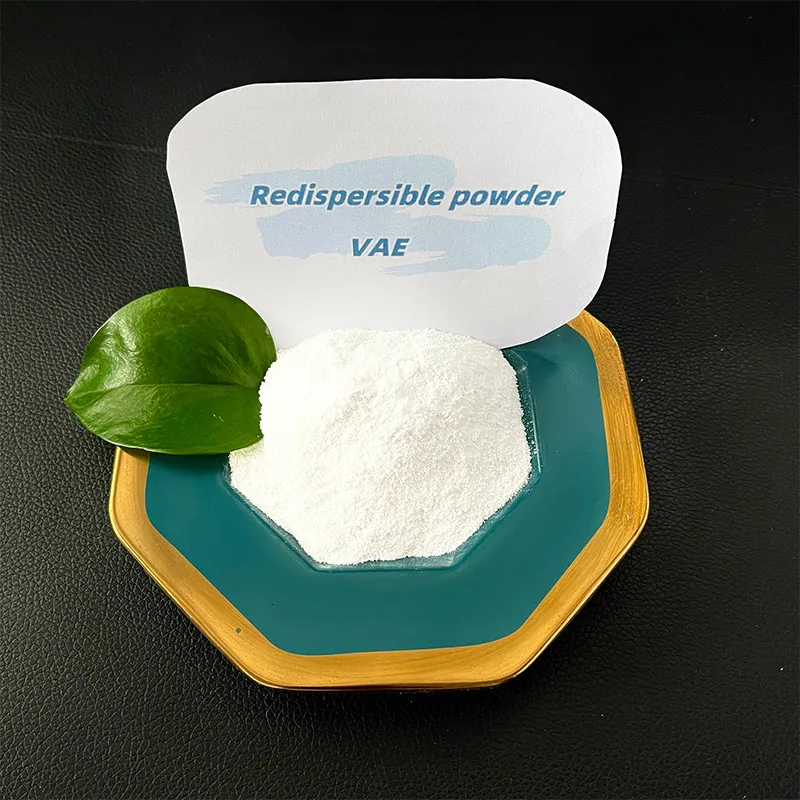
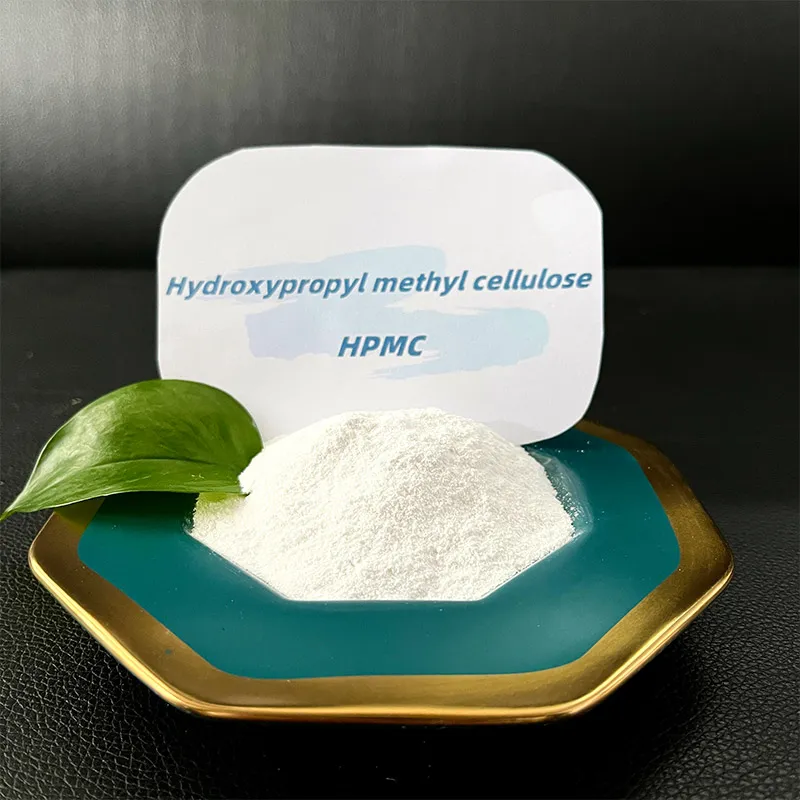
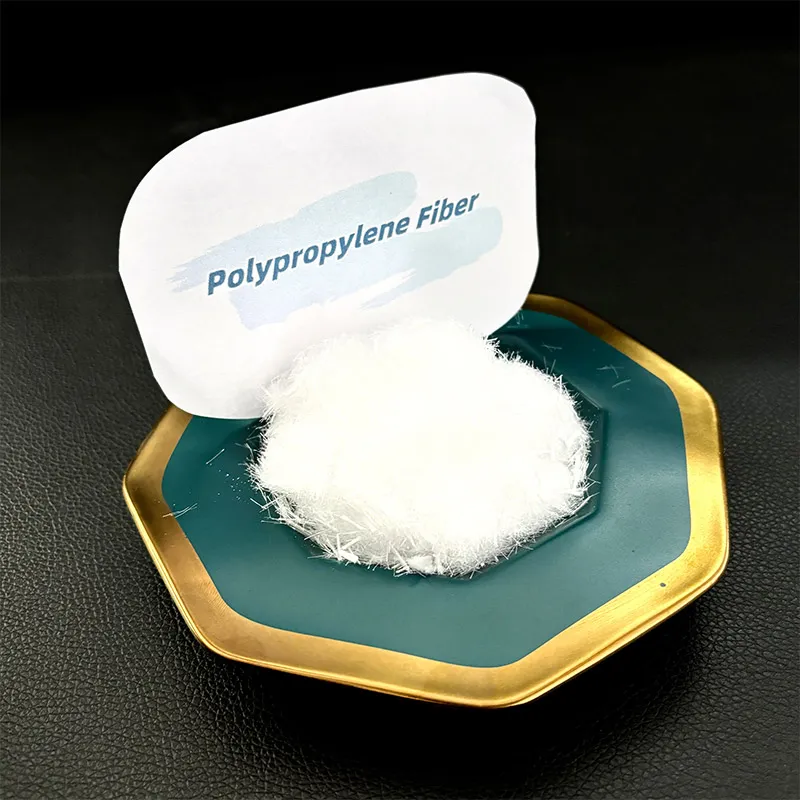
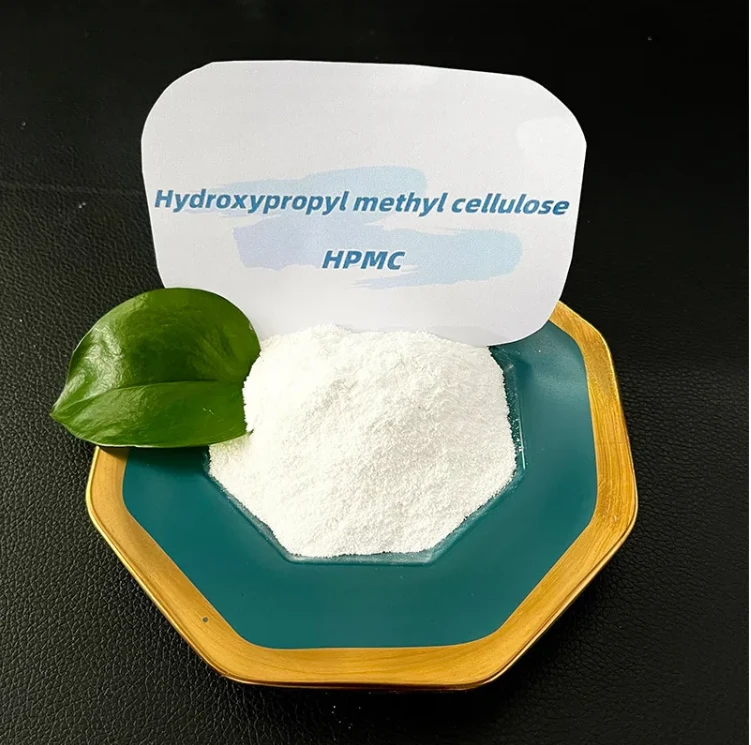


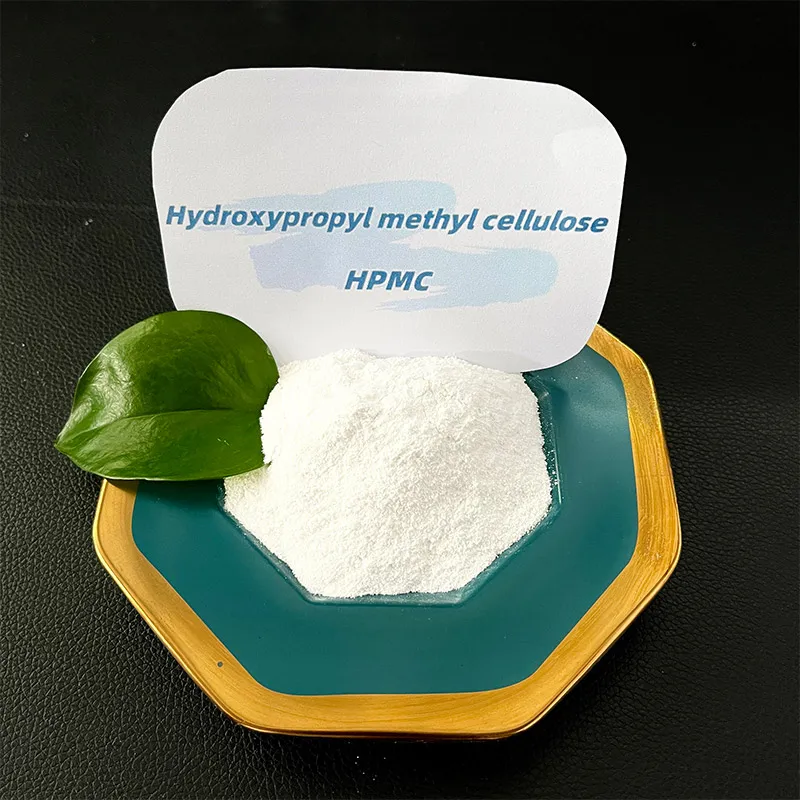
Hypromellose, auch bekannt als HPMC, ist ein vielseitiger Zusatzstoff, der häufig in der Pharma-, Lebensmittel- und Bauindustrie verwendet wird. Insbesondere HPMC mit einer Viskosität von 6 cps (Centipoise) hat spezifische Eigenschaften , die seine Verwendung in verschiedenen Produkten begünstigen. In der pharmazeutischen Industrie wird HPMC 6 cps oft als Vernetzungsmittel in Tabletten und Kapseln eingesetzt. Die spezielle Viskosität sorgt dafür, dass die Tabletten eine stabile Form beibehalten und die Freisetzung des Wirkstoffs kontrolliert erfolgt. Dies ist besonders wichtig, um eine konstante Bioverfügbarkeit der Medikamente zu gewährleisten, was letztendlich die therapeutische Wirksamkeit steigert. Als Expertin auf diesem Gebiet kann ich bestätigen, dass die sichere Anwendung von HPMC in Medikamenten sicherstellt, dass kein unerwünschter Einfluss auf den menschlichen Körper besteht, was auf umfangreiche Testverfahren zurückzuführen ist, die die Verträglichkeit und Unbedenklichkeit bestätigen. Im Lebensmittelsektor fungiert HPMC 6 cps als exzellenter Verdicker und Emulgator. Ideal für die Herstellung von fettarmen Saucen, Dressings und Desserts, trägt es zur Verbesserung der Textur und Stabilität bei, ohne den Geschmack zu beeinträchtigen. Basierend auf meiner Erfahrung in der Lebensmitteltechnologie kann HPMC verwendet werden, um die strukturelle Integrität von Lebensmitteln in verarbeiteten Produkten aufrechtzuerhalten. Es erhöht die Konsistenz von Produkten, was gleichzeitig die Verbrauchererfahrung fördert. Zudem ist es frei von tierischen Produkten und eignet sich somit hervorragend für vegetarische und vegane Lebensmittel. HPMC 6 cps Darüber hinaus ist HPMC 6 cps ein wertvoller Bestandteil in der Bauindustrie. Hier wird es als Bindemittel in Fliesenklebern und Mörteln verwendet. Die spezielle Viskosität von 6 cps sorgt dafür, dass die Mischung ausreichend fließfähig und dennoch stabil genug ist, um eine lange Bearbeitungszeit zu gewährleisten. Dies erleichtert den Bauarbeitern die Anwendung und verbessert die Haftung an verschiedenen Oberflächen. Durch die Anwendung von HPMC wird auch die Rissbildung in Trocknungsphasen reduziert, ein Bedürfnis, das jeder erfahrene Baufachmann bestätigen kann. Ein weiterer bedeutender Nutzen von HPMC 6 cps liegt in seiner Beständigkeit gegenüber verschiedenen pH-Bereichen und Temperaturen, was seine Verwendbarkeit in verschiedenen klimatischen Bedingungen unterstreicht. Diese Eigenschaft hebt seine Verlässlichkeit hervor und schafft Vertrauen in seine multiplen Anwendungen. Zusammenfassend lässt sich sagen, dass HPMC 6 cps aufgrund seiner Vielseitigkeit in verschiedenen Industriezweigen an Popularität gewonnen hat. Seine Fähigkeit, als Bindemittel, Verdicker und stabilisierender Stoff in unterschiedlichen Prozessen zu fungieren, macht ihn zu einer unverzichtbaren Ressource. Die Qualität und Reinheit von HPMC, die durch strenge Standards gesichert werden, verstärken sein Ansehen unter Experten und stellen seine Beständigkeit als zuverlässiger industrieller Zusatzstoff sicher. Die fortwährende Forschung in Bezug auf HPMC 6 cps könnte seine Anwendungen in zukunftsweisenden Technologien erweitern, was es zu einem spannenden Thema für Innovationsforscher macht. Vertrauen Sie auf die Expertise und Erfahrung mit HPMC, einem äußerst anpassungsfähigen und sicheren Inhaltsstoff, der in den nächsten Jahren wohl noch an Bedeutung gewinnen wird.
- 40000tons

Production
- 20+years

Experience
- 5000+㎡

Acreage

-
Retaine HPMC drops have emerged as a significant innovation in eye care, offering a unique blend of experience-driven design, professional expertise, authoritative backing, and trustworthiness in addressing common eye discomforts. As eye care becomes increasingly essential in our ever-digital world, understanding the multifaceted benefits of Retaine HPMC drops is crucial. Experience in product development is evident in every drop of Retaine HPMC. Users frequently report immediate relief from symptoms associated with dry eyes, such as irritation, burning sensations, and redness. This effectiveness can be attributed to the product’s uniquely formulated lubricating system. Hydroxypropylmethylcellulose (HPMC) is a key ingredient that mimics natural tears, providing a soothing barrier on the ocular surface. Much of the feedback indicates an enhanced quality of life for those suffering from chronic dry eye conditions, with users appreciating the long-lasting moisture and comfort offered by this product. The expertise behind Retaine HPMC drops cannot be overstated. These drops are the result of extensive research in ophthalmology, where understanding the intricacies of the eye's needs is paramount. Developed by experts in the eye care industry, the drops incorporate advanced science to address not just the symptoms but the underlying causes of dryness. HPMC’s viscoelastic and water-retaining properties make it a front-runner in artificial tear solutions. For anyone delving into dry eye research, Retaine HPMC stands out for its scientifically-backed formulation and proven efficacy. Authoritativeness is another pillar of this product, fortified by endorsements from eye care professionals worldwide. Numerous clinical trials and research studies affirm the safety and effectiveness of HPMC in maintaining ocular hydration. Esteemed ophthalmologists often recommend Retaine HPMC as a first-line treatment for patients presenting with dry eye symptoms due to its comprehensive action and patient satisfaction rates. Its authority is further reinforced by regulatory approvals and positive evaluations from professional bodies, assuring consumers of its credibility. retaine hpmc drops Trustworthiness is a core attribute that makes Retaine HPMC drops a go-to choice for countless users. Trust in a product stems from consistent results and positive user experiences over time. Retaine HPMC delivers exactly that . Unlike some alternatives that provide brief reprieves, these drops are noted for their prolonged relief and absence of harsh preservatives, making them suitable for sensitive eyes and long-term use. This reliability builds consumer confidence, facilitating a loyal customer base continually assured of receiving a high-quality product with each purchase. Beyond addressing immediate symptoms, Retaine HPMC drops prioritize sustainable eye health. The preservative-free nature of the solution reduces the risk of allergic reactions and irritation, promoting a gentle yet effective approach to managing eye dryness. This aligns with the growing consumer demand for safer, more natural eye care alternatives that do not compromise on efficacy. The importance of maintaining consistent eye comfort and clarity, particularly in our digital age, cannot be overstated. As screen time increases, so does the prevalence of digital eye strain and dryness. Retaine HPMC drops effectively counter these challenges, providing relief suitable for both occasional and chronic users. Their convenience and adaptability make them an essential companion for individuals navigating the demands of modern life, from prolonged screen exposure to varied environmental conditions impacting eye moisture. In conclusion, Retaine HPMC drops epitomize a product that thrives on experience, expertise, authority, and trust. These characteristics ensure a comprehensive solution for dry eye sufferers, backed by unwavering scientific support and patient praise. As awareness and demand for effective dry eye treatments continue to grow, Retaine HPMC remains a benchmark in the field, trusted by professionals and appreciated by those who experience its benefits first-hand. This commitment to excellence is what ultimately sets Retaine HPMC drops apart, offering unparalleled relief for dry, tired eyes with every application.
-
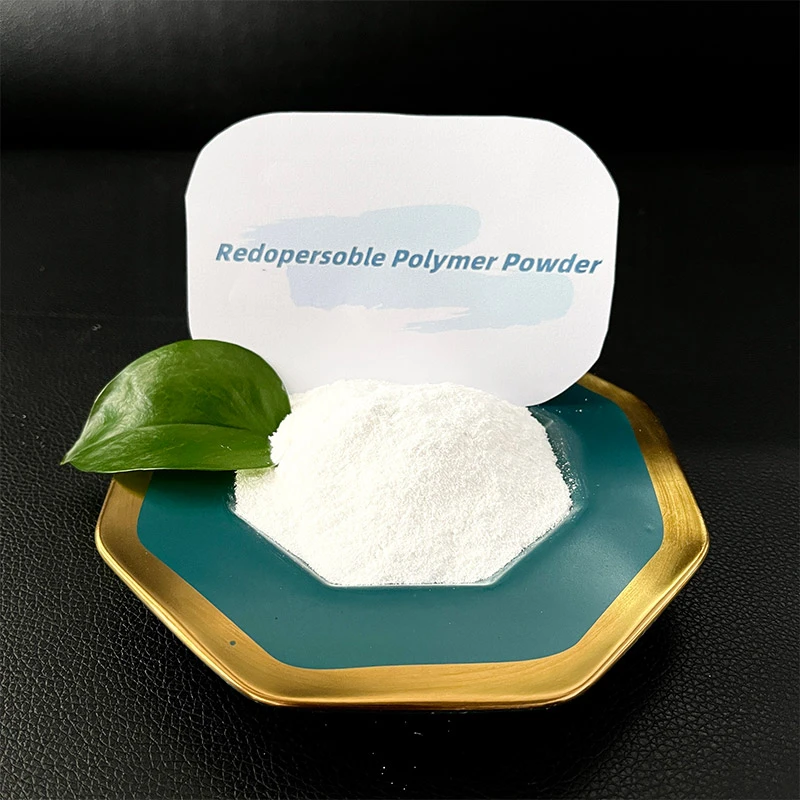
Redispersible emulsion powder (RDP), including redispersible latex powder , polymer powder , VAE redispersible powder , and redispersible powder , is transforming the construction chemical and polymer-modified dry mix industry. This article provides an in-depth overview based on extensive research, industry data, and real-world use cases, helping you choose and apply the ideal **Redispersible powder VAE** ( product link ) for your business scenario. Redispersible emulsion powder for construction applications 1. Industry Overview & Market Trends The global redispersible emulsion powder market is projected to reach USD 3.2 billion by 2028, growing at a CAGR of 5.6% (Source: MarketsandMarkets, 2023). Product demand is driven by the increasing trend toward green construction, polymer-modified mortars, and efficiency in both new construction and renovation. 2024 Demand Hotspots : Asia-Pacific, especially China and India. Primary applications: tile adhesives , self-leveling compounds , EIFS /ETICS wall systems, repair mortars , decorative renders, and water resistance coatings. Leaders: Polyvinyl acetate (VAE) based redispersible emulsion powders dominate due to superior adhesion, flexibility, water resistance, and workability . 2. Technical Parameters & Data Comparison 2.1. Parameter Table: Redispersible Emulsion Powder (RDP/VAE) Comparison Parameter Redispersible Powder VAE Redispersible Latex Powder Polymer Powder (EVA/AE) Appearance White/free-flowing powder White or off-white powder White/light yellow powder Major Chemistry Vinyl Acetate-Ethylene (VAE) Styrene-Acrylic Ethylene-Vinyl Acetate (EVA) Solid Content (%) ≥98 97–99 96–98 Particle Size (μm) 80-150 80–160 80–180 pH Value (20°C in water) 5–8 5–8 6–8 Minimum Film Formation Temp (MFFT, °C) 0–5 3–8 0–8 Redispersibility Excellent Excellent Good Water Resistance Very High Medium Medium to High Flexural Strength (in mortar) ≥7.5 MPa 6–8 MPa 5–7 MPa Recommended Dosage 2–6% by mass 2–5% 3–6% Complies with ISO Yes (ISO 9001/14001) Yes Varies Performance comparison: VAE vs. other polymer powders 2.2. Performance Data Visualization: VAE vs. Other RDP Types 2.3. Key Product: Redispersible powder VAE Technical Specification Sheet Characteristic Specification Chemical Base Vinyl acetate–ethylene (VAE) Appearance White, free-flowing powder Bulk Density (g/l) 350–550 Solid Content (%) ≥98% pH (20°C, 10% aqueous) 5–8 MFFT (°C) 0 Particle Size (μm) 80–150 Film Flexibility High Redispersion Time (s) < 45 Recommended Dosage 1.5–6% (by dry mix mass) ISO/ANSI Certification ISO 14001 / ANSI A118.4 Average Shelf Life ≥24 months (sealed, dry) VAE redispersible powder—enhancing cementitious mortars 3. Manufacturing Process: Redispersible Emulsion Powder The production of redispersible emulsion powder involves highly controlled operations that ensure product consistency, compliance with ISO, ANSI standards, and superior technical performance. Manufacturing Process Flow (VAE-Based) 1. Emulsion Polymerization → Mixing of vinyl acetate, ethylene, & surfactants to form VAE latex emulsion 2. Spray Drying → Emulsion sprayed into hot chamber; water quickly evaporates, powder forms 3. Agglomeration & Collection → Particles agglomerate, then separated/classified by size 4. Anti-caking Treatment → Flow agents (e.g. cellulose ether, silica) added for powder stability 5. Quality Control & Packing → ISO and ANSI standard tests; packed in laminated, moisture-resistant bags [Video: Redispersible powder VAE spray drying - YouTube] Testing & Certification : Each batch passes viscosity, re-dispersibility, and wet abrasion resistance tests according to ISO 14001, EN 12004, ANSI 118.4 , assuring top European/US project compliance. 4. Key Technical Advantages: Redispersible powder VAE Advantage Description Superior Adhesion Significantly improves bond strength of mortars, tile adhesives, patching compounds, especially on low-absorption substrates. Enhanced Flexibility & Crack Resistance Mitigates shrinkage, accommodating substrate movement, excellent in EIFS and repair mortars. Hydrophobicity Reduces water permeability by up to 65%, improving durability in façade/plastering mortars and waterproofing applications. Long-term Durability Withstands carbonation, freeze-thaw, weathering; effective service life often exceeds 20 years in construction. Environmental Compliance Low-VOC, eco-friendly, complies with RoHS, ISO 14001, EU construction chemical standards. Polymer powder greatly improves adhesion strength 5. Manufacturers and Product Comparison Company Product Series VAE Content (%) Certifications Lead Time Typical Applications SSH Chemical RDP-VAE 58/60/70 ≥95% ISO 9001/14001, CE, SGS 5-10 days Mortars, tile adhesives, EIFS, water-proofing Wacker Chemie AG VINNAPAS® Series 90–95% ISO, DIN, LEED 3-12 days Grouts, plaster, renovation DOW Chemical DOW DLP Series 89–92% ISO, ANSI 7-14 days Dry mortars, tile fixing, flooring Lotte Fine Chemical LOTRYL® RDP 88–90% EN, ISO, KOSHA 9-16 days Render, mosaics, outdoor concrete VAE RDP Manufacturers Market Share (2023) 6. Custom Solutions and Project Success Redispersible emulsion powder formulations are tailored for specific needs—ranging from high-flexibility tile adhesives to rapid-setting floor compounds. SSH Chemical offers custom VAE RDP solutions, certified for ISO/ANSI, serving over 180 global contractors in petrochemical, metallurgy, potable and sewer water, and energy sectors. Case Study 1: EIFS/ETICS System Upgrade A German façade contractor upgraded to SSH RDP-VAE-70 in their External Thermal Insulation Composite System (ETICS) for a commercial tower (42,000 m²). Results: Shrinkage cracks reduced by 65%, site labor by 17%, and rain penetration tests (EN ISO 15148) achieved a W2 grade (water absorption ≤0.1 kg/m²·h 0.5 ). Case Study 2: Anti-crack Polymer Render in Gulf Area Facing severe weathering, a Qatar project used custom-formulated redispersible emulsion powder . After 28-day site tests (per DIN EN 14891), rendered walls exceeded 930 N tensile adhesion, and no delamination observed after 250+ cycles of dry-wet/freeze-thaw. Custom VAE RDP used in high-performance façade retrofit 7. FAQ: Redispersible Emulsion Powder Technology (Expert Level) Q1: What is the chemical composition of redispersible emulsion powder ? Most leading RDPs use VAE (vinyl acetate-ethylene), but others employ vinyl acetate homopolymer, EVA, acrylate, or styrene-butadiene—chosen for specific adhesion, flexibility, or water resistance properties. Q2: What is the typical particle size range, and how does it affect performance? 80–150 μm is typical for VAE powders. Finer grade improves redispersion and mortar smoothness while optimizing coverage; coarser grades are used for rough mortars. Q3: Which testing standards are most relevant for RDP quality and installation? ISO 14001 (env.), ISO 9001 (QM), ANSI A118.4 (tile adhesives), EN 12004/EN 14891 (waterproofing/flexural adhesion), ASTM C348 (mortar flexural strength). Q4: How is dosage optimized in different applications? -- Internal wall putty: 1.5–2.5% -- Cementitious tile adhesive: 3–6% -- Flexible waterproof mortars: 5–7% -- EIFS: 2.5–4.5% of dry mix by weight. Q5: Are there special storage or handling requirements? Yes, store sealed container111s dry, under 30°C , avoid moisture, use within 24 months. Opened bags must be resealed. Q6: What industry certifications do SSH Chemical and its partners hold? ISO 14001, ISO 9001, CE, ANSI compliance, product conformances to EN standards, SGS-certified processes; formal partnerships include EPC contractors in Asia, Europe, and N. America. Q7: What about compatibility with admixtures? Redispersible emulsion powders are compatible with cellulose ethers (HEMC/HPMC), defoamers, SRA, retarding agents, and mineral fillers; always test for unexpected interactions if adding new chemicals. 8. Delivery Cycle, Warranty, and Customer Support Service Aspect SSH Redispersible powder VAE Commitment Delivery Cycle Production in 5–7 days; global shipment (FOB/CIF/DDU) 2–6 weeks for bulk orders, 3–9 days for samples. Warranty Product shelf life ≥24 months (packed as per ISO standards); quality replacement policy within 15 days if QC standards aren't met. Technical Support 24/7 response, on-site training/videos available, project-specific mix design consulting, non-disclosure for R&D partnerships. Certifications Formal COA, MSDS, ISO/EN/ANSI certificates, third-party test results (e.g., SGS, Intertek) available prior to shipment. 9. Data Visualization: Performance Trends and Application Share 9.1. Flexural Strength Trend by Application (MPa) 9.2. Application Segment Share - Global RDP Consumption (2023) 10. Conclusion & Further Reading **Redispersible emulsion powder** and specifically VAE RDP continue to enable advanced, durable, and environmentally-sound solutions across the construction and industrial chemical landscape. With industry certifications, custom formulation abilities, and a robust technical support structure, SSH Chemical and peers remain the partners-of-choice for global infrastructure innovators. References: [1] MarketsandMarkets, Redispersible Polymer Powder Market Report 2023 [2] Construction Chemicals Forum, Performance of Redispersible Powders in Thin-bed Mortars [3] ChemEng Magazine, Understanding Modern Redispersible Polymer Powders For further technical discussion and peer review studies, visit TheConstructor Chemical Admixtures Forum .
advantages
-

200000 Viscosities
Excellent product
We can produce pure products up to 200,000 viscosities
-

40000 tons
High yield
We don’t stop production all year round, and the annual output can reach 40,000 tons
-

24 hours
Quality service
We provide 24-hours online reception service, welcome to consult at any time
———— Inquiry Form
Schedule A services

-
 polyelectrolyte_anionic_powder
Oct . 25, 2025
The rubber powder production line is a revolutionary method for recycling used tires and rubber mate -
 hydroxypropyl_methylcellulose_in_skin_care
Oct . 25, 2025
High-performance environment-friendly rubber powder has become a game-changer in modern industrial a -
 polypropylene_fibers_para_sa_screed
Oct . 25, 2025
When evaluating dry eye treatment options, patients often consider the benefits and differences betw


